
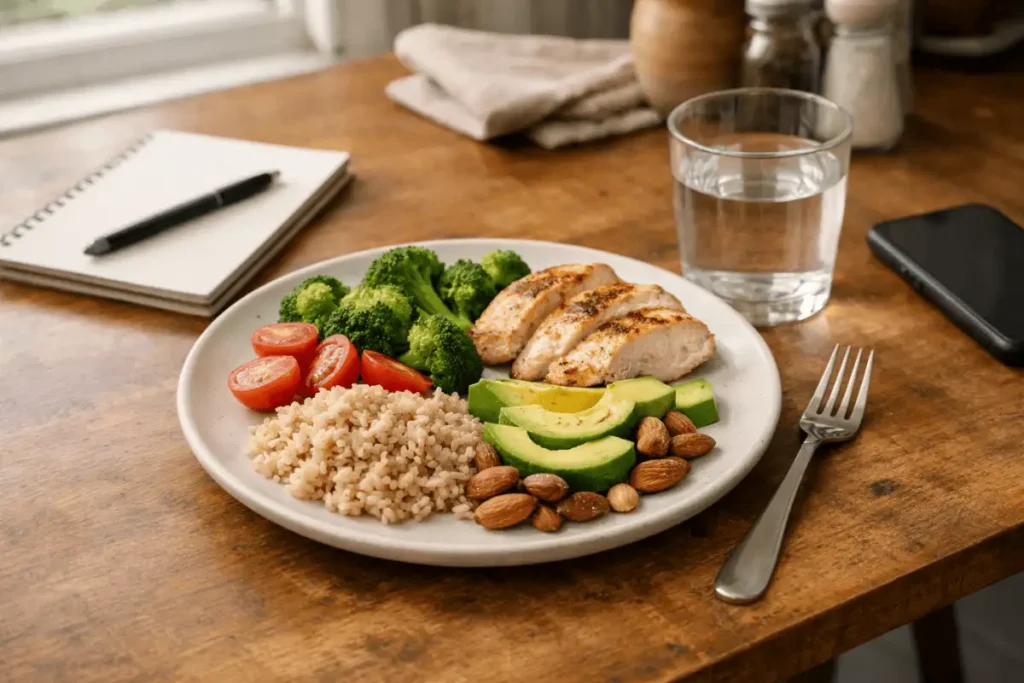
Balanced nutrition is less about chasing trends and more about daily choices that reliably boost energy, mood, and long‑term health. If you’ve tried strict plans before, you know how quickly they fall apart. This guide makes balanced nutrition practical—with a balanced plate you can eyeball anywhere, easy meal patterns, and real‑life examples you can tailor to your culture, budget, and schedule.
This article is part of our Complete Guide to Preventive Health, where we cover habits, early signs, and long-term wellness strategies.
Table of Contents
What Actually Matters in Balanced Nutrition
Diet culture thrives on complexity. Everyday health doesn’t. Balanced nutrition comes down to a few essentials:
- Energy balance: Eat enough to fuel your lifestyle without constant fatigue—and not so much that you feel sluggish.
- Nutrient density: Choose foods rich in vitamins, minerals, fiber, and quality protein more often than ultra‑processed options.
- Balance and variety: Include protein, colorful plants, whole grains or starchy veg, and healthy fats across the day.
- Consistency over perfection: The best plan is the one you can do most of the time.
- Enjoyment matters: Satisfying meals reduce cravings and rebound eating.
These principles align with reputable guidance from the Harvard Healthy Eating Plate, the Dietary Guidelines for Americans, the WHO, and the American Heart Association. They’re flexible enough to fit different cultures, preferences, and budgets.
Build a Balanced Plate (No Math Required)
Use this simple structure at home, at restaurants, or when traveling. It keeps balanced nutrition realistic:
- Half your plate: vegetables and/or fruit (aim for color and fiber)
- A quarter: protein (fish, poultry, tofu, beans, eggs, yogurt)
- A quarter: whole grains or starchy vegetables (brown rice, quinoa, oats, potatoes, corn)
- Add: healthy fats (olive oil, nuts, avocado, seeds)
Here’s a quick visual guide to portions and purpose:
| Food Group | Everyday Portion Guide | Examples | Why It Matters |
|---|---|---|---|
| Vegetables & Fruit | 2 fists (or half plate) | Leafy greens, broccoli, berries, citrus | Fiber, vitamins, minerals, fullness |
| Protein | Palm-size per meal | Chicken, fish, tofu, beans, Greek yogurt | Muscle repair, satiety, steady energy |
| Whole Grains/Starchy Veg | Cupped hand per meal | Brown rice, quinoa, oats, potatoes | Energy, fiber, micronutrients |
| Healthy Fats | Thumb or small drizzle | Olive oil, nuts, seeds, avocado | Hormones, absorption of fat-soluble vitamins |
Hydration supports balanced nutrition, too. Keep water handy; unsweetened tea or sparkling water adds variety. Most adults tolerate moderate coffee intake, especially with food.
Protein, Carbs, and Fats—Demystified
You don’t need to micromanage macros to practice balanced nutrition. Focus on quality, portions you can eyeball, and steady patterns.
Protein: Your Satiety and Repair Anchor
A helpful range for many adults is 1.0–1.6 grams per kilogram of body weight daily (adjust for training, age, and appetite). Spread protein across meals and snacks for better appetite control and muscle support.
- Smart picks: fish and seafood; poultry; eggs; tofu and tempeh; beans and lentils; Greek yogurt and cottage cheese; edamame.
- Practical tip: Anchor each meal with a palm‑size protein source; add a half‑palm at snacks if you’re hungry between meals.
Carbohydrates: Quality Over Fear
Carbs fuel your brain, daily activity, and training. Emphasize minimally processed sources and fiber.
- Choose: whole grains (oats, brown rice, quinoa), starchy vegetables (potatoes, sweet potatoes, corn), fruit, legumes.
- Limit: refined grains and sugary drinks; they tend to spike and crash energy.
- Fiber target: about 25–38 grams per day depending on sex and age. Increase gradually and hydrate to avoid discomfort.
- Pairing power: Combine carbs with protein and fat (apple + peanut butter, oats + yogurt) to steady energy and reduce cravings.
Fats: Essential, Not Optional
Unsaturated fats support heart and brain health. Include them daily while moderating saturated fat and avoiding trans fats.
- Choose: olive oil, avocado, nuts, seeds, and fatty fish (salmon, sardines). Omega‑3s are particularly valuable; overview: https://ods.od.nih.gov/factsheets/Omega3FattyAcids-Consumer/
- Moderate: higher saturated fat items like high‑fat dairy and processed meats.
- Avoid: industrial trans fats when possible.
Sodium and added sugar: Most adults benefit from keeping sodium near 1,500–2,300 mg/day and added sugars under 10% of calories (American Heart Association: https://www.heart.org/en/healthy-living/healthy-eating/eat-smart/sodium).
Everyday Strategies for Busy Schedules
Balanced nutrition fails when a plan is fragile. Build habits that survive real life.
The 10‑Minute Weekly Plan
- Pick 2 proteins (e.g., rotisserie chicken, tofu), 2 grains/starches (e.g., quinoa, potatoes), and 3–5 veggies/fruit.
- Pre‑cut or pre‑roast what you can; batch‑cook grains.
- Mix‑and‑match for quick dinners and packable lunches.
Shop With a Pattern, Not a Perfect List
- Produce: frozen berries, salad greens, onions/peppers, a cruciferous vegetable.
- Pantry: beans/lentils, canned fish, whole grains, nuts/seeds, olive oil, spices.
- Protein: eggs, yogurt, tofu/tempeh, chicken/fish.
- Flavor boosters: salsa, tahini, mustard, citrus, herbs.
Batch‑Cook Basics
- Roast sheet pans: protein + vegetables + potatoes.
- Cook a pot of grains; cool and store for the week.
- Make a sauce (tahini‑lemon, yogurt‑herb, peanut‑ginger) to add instant interest.
Snack Formula: Protein + Fiber
- Greek yogurt + berries; apple + almonds; hummus + carrots; edamame; cottage cheese + pineapple; whole‑grain toast + avocado.
Eating Out Without Overthinking
- Use the plate method visually: prioritize vegetables, protein, and a starch.
- Ask for dressings/sauces on the side; choose a veggie side.
- Stop at “comfortably satisfied.” Bring the rest home.
Mindful Eating in 3 Steps
- Pause: Rate your hunger 0–10 before and after eating.
- Pace: Put your fork down between bites; aim for 15–20 minutes per meal.
- Pleasure: Include foods you love regularly so you don’t rebound.
Special Situations and Personalization
Your needs shift with goals, life stage, culture, and activity. Balanced nutrition adapts.
Goals: Fat Loss, Muscle Gain, Maintenance
- Fat loss: Keep the plate structure but slightly shrink starch/fat portions. Bump non‑starchy veggies. Prioritize protein and fiber for fullness.
- Muscle gain: Increase total calories; add an extra serving of starch and aim for 20–40 g protein per meal depending on size and training.
- Maintenance: Keep meals satisfying; monitor energy, performance, and appetite to calibrate portions.
Real‑life example: A desk‑based professional might emphasize walking breaks, protein‑rich lunches, and fiber‑forward snacks. A runner in training can add an extra cupped‑hand portion of whole grains at meals to keep balanced nutrition aligned with mileage.
Life Stages and Considerations
- Pregnancy: Focus on protein, iron (beans, lentils, lean meats), choline (eggs), and DHA (fatty fish). Discuss prenatal needs with your healthcare provider.
- Older adults: Slightly higher protein per meal can help counter muscle loss; include calcium and vitamin D sources.
- Gut sensitivity: Introduce fiber gradually; consider low‑FODMAP guidance with a professional if needed.
Cultural Foods Belong on the Plate
Apply the same structure using familiar staples:
- Mexican: grilled fish or beans + fajita veggies + corn tortillas + guacamole.
- Indian: dal or chicken + sabzi + brown basmati or roti + raita.
- West African: beans or fish + leafy greens + a measured portion of fufu + groundnut stew.
- East Asian: tofu/fish + stir‑fried vegetables + rice + sesame/soy‑lime dressing.
Balanced on a Budget
- Buy frozen vegetables and fruit—nutrient‑rich and affordable.
- Choose canned beans, tuna/salmon; rinse to reduce sodium.
- Shop seasonal produce; compare store brands.
- Build around one‑pot meals: soups, chilis, stir‑fries.
A One‑Day Balanced Menu (Example)
This is a template, not a prescription. Adjust for appetite, culture, and activity while keeping balanced nutrition front and center.
- Breakfast: Greek yogurt bowl with oats, chia seeds, berries, and a drizzle of honey; coffee or tea.
- Snack: Apple + 2 tablespoons peanut butter.
- Lunch: Grain bowl—quinoa, mixed greens, roasted chickpeas, cucumber, cherry tomatoes, olive oil + lemon, feta.
- Snack: Carrots and bell peppers with hummus.
- Dinner: Salmon or tofu, roasted broccoli, roasted potatoes, side salad with olive oil + vinegar.
- Dessert: A few squares of dark chocolate or fruit.
Swap freely: If you don’t do dairy, use soy yogurt. If you’re gluten‑free, choose gluten‑free oats or another whole grain. If you’re vegetarian or vegan, rely on legumes, tofu/tempeh, and plant yogurts.
Fact‑Checking Common Nutrition Myths
- “Detoxes” are necessary: Your liver and kidneys already detox. A diverse, fiber‑rich diet supports them better than juice cleanses.
- Carbs are the enemy: Quality and portions matter; whole‑food carbs can strengthen balanced nutrition.
- Gluten‑free is healthier for everyone: It’s essential for celiac disease or diagnosed sensitivity—not a universal upgrade.
- Cutting all sugar is the key: Extreme restriction backfires for most people. Reduce added sugars while keeping room for treats.
- Late‑night eating automatically causes fat gain: Total intake and routine matter more than timing. If you’re ravenous late at night, consider whether you’re under‑eating earlier.
- Supplements replace food: They can fill specific gaps but can’t mimic the synergy of whole foods. Discuss supplements with a healthcare professional.
Bringing It All Together
Balanced nutrition for everyday health is simpler than it looks: build most meals with plants, protein, smart carbs, and healthy fats; plan just enough to make good choices easy; and stay consistent without demanding perfection. Track how you feel—energy, digestion, sleep, training performance—and adjust portions accordingly.
You don’t need a flawless routine. You need a repeatable one. With a balanced plate, a short weekly plan, and a few go‑to snacks, balanced nutrition becomes a sustainable pattern you actually enjoy.
External resources to explore:
- Healthy Eating Plate (Harvard): https://www.hsph.harvard.edu/nutritionsource/healthy-eating-plate/
- American Heart Association on sodium and added sugars: https://www.heart.org/en/healthy-living/healthy-eating/eat-smart/sodium
- WHO healthy diet basics: https://www.who.int/news-room/fact-sheets/detail/healthy-diet